
Essential Gear and Lenses for Every Level
When we talk about bird photography tips and techniques, the conversation inevitably turns to gear. While skill is the ultimate decider, having the right tool for the job makes a world of difference. For those just starting out, mirrorless cameras for bird photography beginners have become a game-changer due to their lighter weight and advanced subject tracking.
Choosing Your Glass: Focal Length and Lenses
The most critical piece of equipment is your lens. In bird photography, “reach” is king. Most professionals recommend a focal length of at least 400mm. If you are debating between a fixed focal length and a variable one, check out our guide on telephoto lens vs zoom lens for birds to see which fits your style.
- Beginner/Budget: You don’t need to spend $10,000. Lenses like the Sigma 150-500mm f/5-6.3 offer incredible value at around $800, compared to brand-name equivalents that often cost double. There are many cheap telephoto lenses for birds that can produce professional-grade results if used with good technique.
- Urban Shooters: If you’re stalking local parks, prime lenses for urban bird shots can offer superior sharpness and wider apertures for those tricky shaded areas.
- The Body: Speed is essential. While a Nikon D810 offers a solid 5fps, modern mirrorless bodies like the Sony $\alpha$1 or Nikon Z8 have pushed the boundaries to 20-30fps, ensuring you never miss a wing beat.
| Camera Model | Max Frames Per Second (FPS) | Resolution (Megapixels) |
|---|---|---|
| Nikon Z8 | 20 fps (up to 120 for JPEG) | 45.7 MP |
| Sony $\alpha$1 | 30 fps | 50.1 MP |
| Canon EOS-1D X Mark II | 14 fps | 20.2 MP |
Accessories for Stability and Stealth
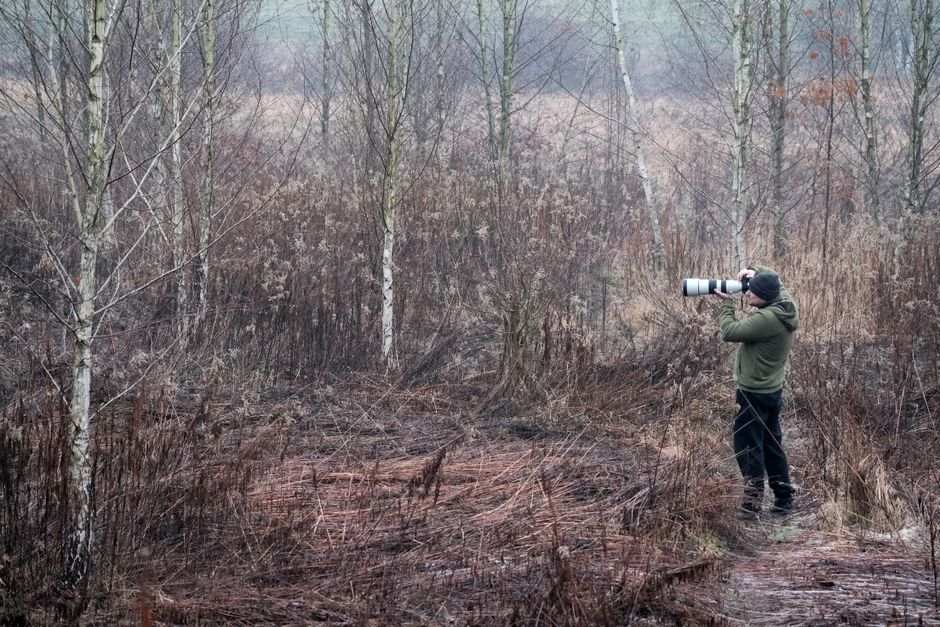
A long lens is heavy and prone to “camera shake.” Using a tripod with a gimbal head allows you to track flying birds effortlessly while supporting the weight of the gear. If you are shooting from a car—a great “mobile blind”—a simple bean bag on the window sill provides excellent stability. Don’t forget beginner-friendly camera accessories like extra batteries and affordable lens cleaning kits; a smudge on your lens can ruin a once-in-a-lifetime shot of a rare raptor.
Starting with Limited Gear
We often hear that you need a “big white lens” to be a bird photographer, but that’s a myth. You can achieve great results by harnessing limited gear for breathtaking bird photos. Many enthusiasts use “digiscoping”—attaching a smartphone to a spotting scope—to get incredible reach on a budget. If you are using a phone, mastering your smartphone settings for stunning birding shots is key. Even compact cameras for urban bird photography can work wonders when you focus on urban bird photography: how to make the most out of limited gear.
Mastering Camera Settings for Bird Photography Tips and Techniques
Mastering your exposure is the foundation of bird photography tips and techniques. Because birds move so fast, we often don’t have time to fiddle with full manual mode.
The Exposure Triangle
We recommend starting in Aperture Priority (A or Av). This allows you to set the ideal aperture for birds and how to use it—usually f/5.6 to f/8—while the camera handles the shutter speed. However, keep an eye on that shutter! You need to know how to freeze motion with the best shutter speed for flying birds. A good rule of thumb is 1/1000s for perched birds and 1/2500s for action. If the light fades, don’t be afraid to bump your ISO; a noisy sharp photo is always better than a clean blurry one. Learn more about adjusting exposure for bird photos to balance these three pillars.
Autofocus Modes and Tracking
To keep a moving target sharp, you must use Continuous Autofocus (AI Servo for Canon, AF-C for Nikon/Sony). One of the most transformative bird photography tips and techniques is using Back-Button Focus. By moving the focus trigger away from the shutter button, you can track a bird and wait for the perfect moment to fire without the camera trying to refocus.
Modern cameras also feature “Animal Eye AF,” which is a lifesaver. For more on this, see the best aperture and autofocus settings for birds and our guide on avoiding blurry images in bird photography.
Handling Challenging Lighting Conditions
Light is the “make or break” factor. Optimizing natural light for amazing bird photos usually means shooting during the “Golden Hour.” This low-angle light brings out the iridescent texture of feathers. If you’re feeling artistic, try crafting dramatic bird shots with natural light by using backlighting to create silhouettes. When dealing with correcting lighting in bird images, especially with white birds like Egrets, underexpose slightly to avoid “blowing out” the delicate feather details.
Field Craft: Composition and Ethical Approaches
Great photography is 20% gear and 80% how you interact with the subject.
Compositional Mastery
Don’t just center the bird in the frame. Use the ultimate guide to better photo composition to apply the Rule of Thirds. Always leave “negative space” in the direction the bird is looking or flying. We also suggest exploring angles and perspectives in bird photography; shooting at eye level creates a connection that high-angle shots lack. Whether you choose vertical or horizontal framing tips for bird photography depends on the bird’s posture—tall herons love vertical frames!
Ethical Wildlife Photography Practices
Our passion should never harm our subjects. Adhering to the Audubon Guide to Ethical Bird Photography is essential for any serious shooter to ensure the welfare of the birds we document.
- No Baiting: Especially with owls, baiting can lead to habituation and danger for the bird.
- Playback: Avoid using recorded bird calls to lure birds, as this stresses them, especially during nesting season.
- Distance: If the bird stops what it’s doing and looks at you, you’re too close.
- Drones: These are often perceived as predators by birds and should be avoided.
Backyard and Urban Setups
You don’t have to travel to the Amazon for great shots. Your backyard is a perfect training ground. By placing feeders about 15 feet from natural perches, you can attract dozens of species. For those in the city, urban backyard bird photography tips and making urban birds stand out in photos focus on using shallow depth of field to hide man-made distractions. Check out city lakes for bird photography or even try photographing pigeons in the city. Believe it or not, there are best lenses for photographing pigeons that help capture their surprising iridescent beauty.

Advanced Bird Photography Tips and Techniques: Action and Post-Processing
Once you’ve mastered the basics, it’s time to capture the “wow” moments: the takeoffs, the hunts, and the flights.
Capturing Action
Capturing swift movements: bird in flight photography requires a mix of high shutter speeds and “panning.” Panning involves moving your camera at the same speed as the bird, which can create a beautiful blurred background while keeping the bird sharp. Watch for cues—many birds will “lighten their load” (defecate) or lean forward right before they take flight.
Professional Post-Processing Workflows
Post-processing is where a good photo becomes a masterpiece. At Ciber Conexão, we specialize in helping you refine these images.
- Clarity and Sharpness: Use tools for improving clarity in bird shots and sharpening bird images in post to make every feather pop.
- Color: Natural colors are best. Learn to enhance colors in bird photography without making them look “nuclear” or fake.
- Feather Detail: Specialized techniques for enhancing bird feathers in editing can recover details lost in high-ISO shots.
- Ethical Editing: Always aim for natural-looking edits for bird photos. Removing a distracting twig is fine; adding a fake moon is not.
Software and Mobile Editing
While photoshop tips for bird photos are standard for pros, many beginners find success with lightroom presets for urban birds. If you’re on the go, editing pigeon photos on mobile is surprisingly effective with modern apps. One of the most useful skills is removing distractions from bird photos to keep the focus entirely on your feathered subject.
Frequently Asked Questions about Bird Photography Tips and Techniques
What is the best shutter speed for birds in flight?
For large, slow-moving birds like herons, 1/1000s is usually enough. For smaller, faster birds like songbirds or raptors on the hunt, we recommend at least 1/2500s to 1/4000s to freeze the wing tips completely.
How can I get close to birds without scaring them?
Patience is your best tool. Move slowly, avoid direct eye contact, and use a zigzag approach rather than walking straight at them. Wearing muted colors and using natural cover like trees or bushes also helps.
Is a full-frame or crop sensor better for birding?
Both have pros. A crop sensor (APS-C) gives you more “effective reach” (a 300mm lens acts like a 450mm), which is great for small birds. A full-frame sensor generally offers better low-light performance and higher dynamic range, which is ideal for “Golden Hour” shooting.
Conclusion
Mastering bird photography tips and techniques is a journey of constant learning and immense patience. From choosing the right beginner bird photography kits to understanding the nuances of capture morning vs evening birds: camera settings compared, every bit of knowledge helps you respect and capture the avian world.
The best camera is the one you have with you, and the best technique is the one that prioritizes the bird’s welfare. Once you’ve captured that perfect shot, let us help you polish it to perfection. For more expert advice on refining your images, check out our More info about photography tips page. Happy shooting!
