
Why a Wildlife Photography Course Can Transform Your Shots
A wildlife photography course is one of the fastest ways to go from blurry, poorly framed animal shots to images that actually stop people scrolling.
Here is a quick look at the common course structures to match your goals:
| Course Type | Best For | Key Focus |
|---|---|---|
| Beginner Fundamentals | New photographers | Camera settings, basic gear, and garden wildlife |
| Fieldcraft & Behavior | Intermediate shooters | Stalking, animal tracking, and predicting movement |
| Specialized Niche | Bird or Macro fans | Species-specific techniques and specialized gear |
| Post-Processing | All levels | RAW editing, composition, and storytelling |
Wildlife photography is genuinely hard. Your subject moves fast, the light changes in seconds, and you only get one shot at the moment.
Most beginners struggle not because they have the wrong gear — but because nobody showed them the fundamentals. Camera settings, fieldcraft, light, and editing all have to work together.
The good news? These skills are very learnable. Whether you want to photograph birds in your backyard or big game on safari, a structured course can cut years off your learning curve.
And you do not need expensive equipment to start. As more than one expert instructor has pointed out, stunning wildlife photos are possible with the gear you already own — if you know how to use it.
Choosing the Right wildlife photography course for Your Goals
Choosing a wildlife photography course can feel a bit like tracking a leopard in the tall grass—you know it’s out there, but it’s hard to spot the right one! We’ve seen many photographers jump into advanced workshops only to realize they haven’t mastered their camera’s basic focus modes yet.
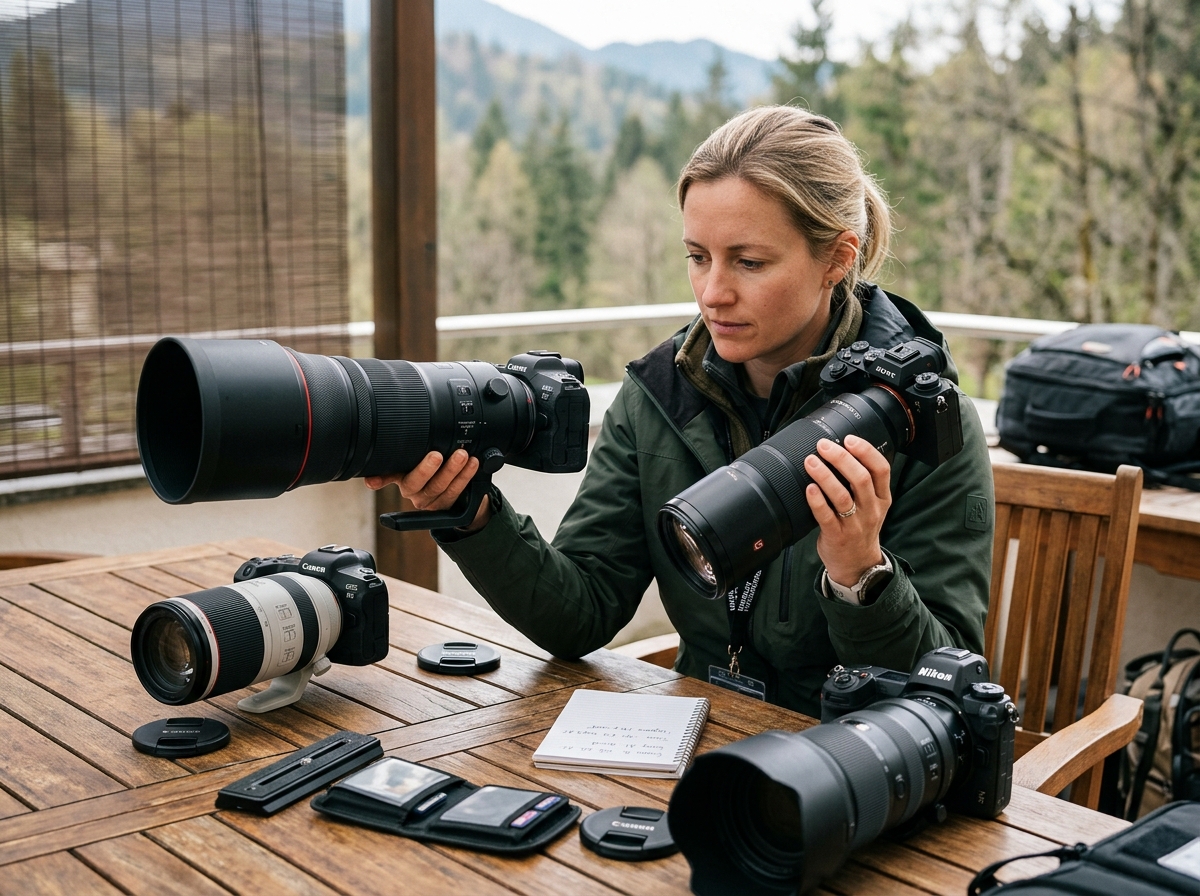
To find the right fit, we first need to look at our current skill level. Are you a complete beginner who is still a bit intimidated by “Manual Mode”? Or are you an intermediate shooter who can get a sharp photo but struggles to tell a story with your images?
Skill Levels: Beginner vs. Intermediate
If you are just starting, look for courses that emphasize the “exposure triangle” and basic gear setup. You might want to check out our guide on mirrorless-cameras-for-beginners to ensure your hardware matches your ambitions. Many entry-level courses are designed specifically for those with zero prior experience, walking you through everything from garden squirrels to zoo animals.
For intermediate photographers, the focus shifts. You likely already know how to use your camera, so you need a course that teaches “fieldcraft”—the art of stalking and understanding animal behavior—and advanced post-processing.
Self-Paced Learning vs. Structured Assignments
How do you learn best?
- Self-Paced Learning: These are great if you have a busy schedule. You get lifetime access to video modules and can watch them at 2 AM if that’s when inspiration strikes.
- Structured Assignments: Some high-end courses include tutor-assessed assignments. Having a pro look at your work and tell you exactly why your bird-in-flight is slightly soft is invaluable.
| Feature | Self-Paced | Structured/Mentored |
|---|---|---|
| Feedback | Community forums only | Professional tutor critiques |
| Timeline | Learn as fast or slow as you want | Often follows a module-per-week format |
| Price | Usually more affordable | Higher investment due to instructor time |
| Best For | Hobbyists and casual learners | Aspiring pros and serious enthusiasts |
Before you buy, don’t forget to look into beginner-friendly-camera-accessories that can make your learning journey much smoother.
Identifying Your Niche: Birds, Mammals, or Macro
Wildlife is a broad term. Some photographers are “bird nerds,” while others want to capture the raw power of a lion on the savannah.
- Bird Photography: This is often considered the “final boss” of nature photography because birds are small and incredibly fast. If this is your passion, we recommend starting with our getting-started-with-bird-photography-a-guide-for-beginners and researching weekend-birding-spots-for-beginners to practice your new skills.
- Big Game & Mammals: These courses focus heavily on safety, ethics, and using long telephoto lenses to capture intimate portraits from a distance.
- Macro & Garden Wildlife: You don’t need a plane ticket to Africa to be a wildlife photographer. Some of the best courses teach you how to find magic in your own backyard, focusing on insects, reptiles, and local critters.
Evaluating Course Value and Bonuses
When comparing costs—which can range from free to over $500—look at the “extras.” A wildlife photography course often includes:
- CPD Certification: This is a recognized professional qualification that looks great on a resume or portfolio.
- Cheat Sheets & Flip Cards: Weatherproof cards you can take into the field are a lifesaver when you forget which focus mode to use.
- Mentorship Groups: Access to a private group where you can share “hero shots” and get encouragement.
- Gear Discounts: Some courses offer discounts on software and equipment, which can help offset the cost of the training. Check out beginner-bird-photography-kits to see what essentials you might need.
Core Curriculum: What a Top-Tier Course Should Cover
A truly comprehensive wildlife photography course shouldn’t just teach you which buttons to press. It should teach you how to think like a naturalist.
Mastering Technical Settings in a wildlife photography course
The technical side is the foundation. You need to move past “Auto” because your camera’s brain isn’t as smart as yours when a hawk dives at 100 mph.
We always emphasize mastering the “Big Three”:
- Aperture: Controlling your depth of field to get those creamy, blurry backgrounds that make the animal pop.
- Shutter Speed: Essential for freezing motion. For birds in flight, you’ll often need 1/2000s or faster!
- ISO: Finding the balance between enough light and too much digital noise.
Top courses will also dive into “Back Button Focus.” Many pros consider this a game-changer because it separates the shutter release from the focusing mechanism, allowing you to track moving subjects much more effectively. For a deeper dive, see our beginners-guide-to-bird-photography-key-settings and captivating-bird-photography-a-guide-to-camera-settings.
Don’t forget about Exposure Compensation. When you are shooting a dark bird against a bright sky, your camera will likely underexpose the subject. Learning to “dial in” extra light manually is a skill taught in every professional-level wildlife photography course. You can find more on this in our guide to mastering-camera-settings-for-bird-photography.
Fieldcraft, Animal Behavior, and Ethics
This is where the “wildlife” part of the photography comes in. You can have a $10,000 lens, but if you don’t know how to approach an animal without scaring it, you’ll only ever have photos of animal tails running away from you.
- Stalking Techniques: Learning how to use the wind and light to stay “invisible.”
- Species Research: Understanding why an animal does what it does. If you can predict that a bird is about to take flight (often they’ll “lighten the load” right before), you’ll be ready for the shot.
- Ethics and Welfare: This is non-negotiable. A good course will teach you that the animal’s well-being always comes before the photo. This includes minimizing disturbance and avoiding baiting.
- Conservation: Many professional instructors believe photography is a tool for conservation. By sharing the beauty of these creatures, we inspire others to protect them. This aligns with Scientific research on bird conservation and citizen science, showing how our hobby can contribute to real-world data.
Post-Processing and the Art of the Edit
In digital photography, the click of the shutter is only halfway to the finish line. Every top-tier wildlife photography course includes a significant section on editing.
The Power of RAW
We strongly recommend shooting in RAW format. RAW files contain all the data captured by your sensor, giving you the “digital negative” you need to recover highlights in a bright sky or pull detail out of dark shadows. Most professional courses provide RAW files for you to practice on, so you can follow the instructor’s workflow step-by-step.
Software Essentials
While there are many beginner-friendly-photo-editing-software options, industry standards like Adobe Lightroom Classic and Photoshop CC are usually the focus of advanced training. These tools allow for:
- Color Grading: Making those golden hour tones truly glow.
- Noise Reduction: Cleaning up “grainy” photos taken in low light (like deep in a forest).
- Selective Adjustments: Using masks to brighten just the animal’s eye to create a more intimate connection.
For specific tips on making your feathered friends look their best, check out our beginner-bird-photo-editing-tips.
Refining Composition and Storytelling in a wildlife photography course
Composition is what separates a “snapshot” from a “photograph.” Even in the editing phase, you can fix a lot of compositional errors.
We focus on:
- The Rule of Thirds: Placing the subject off-center to create a more dynamic feel.
- Negative Space: Giving the animal “room to breathe” or space to move into within the frame.
- Eye Contact: Ensuring the eye is pin-sharp and well-lit. This is the most critical element for creating an emotional bond with the viewer.
Mastering these mastering-bird-photography-essential-camera-settings ensures you have the technical quality to support your artistic vision.
Advanced Cropping Strategies for Impact
At Ciber Conexão, we believe cropping is one of the most underrated skills in a photographer’s toolkit. It’s not just about getting “closer” to the animal; it’s about refining the story.
1. Changing the Aspect Ratio Sometimes a standard 3:2 frame doesn’t suit the subject. A tall giraffe might look better in a 4:5 vertical crop, while a sprawling landscape with a lone wolf might demand a 16:9 panoramic view.
2. Subject Placement and Leading Lines During the edit, you can use the crop tool to align the animal’s gaze with the corners of the frame or to remove distracting branches that lead the viewer’s eye away from the subject.
3. Digital Zooming vs. Image Quality A good wildlife photography course will teach you the limits of your sensor. If you crop too much, you lose detail and introduce noise. We teach you how to find that “sweet spot” where the composition is tight, but the image quality remains professional.
Frequently Asked Questions about Wildlife Photography Courses
Do I need expensive gear to start a wildlife course?
Absolutely not! While a $6,000 telephoto lens is nice, most courses are designed to help you get the best results from the gear you already have. An entry-level DSLR, a “bridge” camera with a good built-in zoom, or even a modern smartphone with a telephoto attachment can get you started. The goal of a wildlife photography course is to teach you the skills that make the gear irrelevant.
Are there free wildlife photography courses available?
Yes! Many academies offer free introductory courses to give you a taste of their teaching style. These often cover essential topics like “Back Button Focus” or “Basics of Lightroom.” YouTube is also a goldmine for masterclasses, though it lacks the structured feedback and community of a paid program.
How long does it take to complete a professional course?
It varies. A short “intensive” might take about 8 hours of video time. A more comprehensive, 12-module professional course usually takes 1 to 2 months for someone with a full-time job to complete. The beauty of online learning is that most offer lifetime access, so you can revisit the lessons every time you head out on a new trip.
Conclusion
Stop “winging it” and hoping for the best. Wildlife photography is a blend of patience, technical mastery, and artistic vision. By enrolling in a wildlife photography course, you are investing in yourself and your ability to capture the natural world in a way that honors its beauty.
At Ciber Conexão, we want to help you take those raw captures and turn them into masterpieces. Whether you need help with advanced crop techniques or understanding the nuances of composition, Hugo Andrade and our team are here to provide the practical, expert advice you need to level up your editing game.
Ready to transform your animal portraits? Start improving your wildlife edits today and join a community dedicated to the art of the perfect shot!
