
Why Composition and Framing in Photography Transform Ordinary Shots
Composition and framing in photography is the practice of arranging visual elements within your camera’s viewfinder to guide the viewer’s eye, tell a story, and create emotional impact.
Here’s a quick breakdown of what it means in practice:
- Composition = how you arrange everything in your frame (subject, background, light, lines)
- Framing = using elements inside the scene (like a doorway, tree branches, or a window) to create a visual border around your subject
- The goal = control where the viewer looks and what they feel
Why it matters:
- Good composition turns a flat, forgettable snapshot into an image that stops the scroll
- Framing draws the eye directly to your subject and adds depth
- Together, they communicate meaning — not just content
Think of it this way. Two photographers stand in the same spot. One lifts the camera and shoots. The other pauses, observes the scene, decides what the photo is about, and then frames the shot.
The second photographer’s image will almost always be stronger — not because of better gear, but because of intention.
Edward Weston, one of history’s most celebrated photographers, put it simply: “Good composition is the strongest way of seeing.”
The good news? You don’t need years of experience to apply these ideas. Once you understand a few core principles, your images will improve immediately.
What is Composition and Framing in Photography?
At its simplest level, composition is the arrangement of elements within your photo. While some academic definitions get incredibly complex, we prefer to think of it as the visual structure of your story. When you look through your viewfinder, you aren’t just capturing a “thing”; you are deciding how the subject, the background, the light, and the shadows interact.
Intentionality is the secret sauce here. Many beginners fall into the trap of “reacting” to a scene—lifting the camera and pressing the shutter the moment they see something pretty. However, the ultimate guide to better photo composition teaches us that the strongest images come from a “subtraction” mindset. If an element doesn’t add to the story, it’s a distraction that should be moved, hidden, or cropped out.
Scientific research into eye movement shows that our brains naturally seek order. When we look at a photograph, our eyes don’t just land randomly; they follow lines, settle on bright spots, and look for patterns. By mastering composition and framing in photography, you are essentially providing a roadmap for the viewer’s brain, telling it exactly where to go and what to prioritize.
Why Composition and Framing in Photography Matter for Impact
Imagine a five-year-old telling a story. It’s full of “umms,” nose-pickings, and a jumble of incoherent words. Now imagine Ernest Hemingway telling a story—every word is chosen for maximum impact, every sentence has a purpose. In the visual world, composition is your Hemingway.
Without a solid compositional foundation, even the most expensive camera in the world will produce bland images. Good composition:
- Controls Attention: It ensures the viewer doesn’t get lost in the background clutter.
- Conveys Power Dynamics: Exploring angles and perspectives in bird photography shows that shooting from a low angle can make a subject look powerful, while a high angle can make it look small or isolated.
- Creates a Professional Feel: Consistent use of these techniques separates the “lucky snapshots” from the “intentional masterpieces.”
How Framing Serves as a Powerful Compositional Tool
If composition is the layout of the entire room, framing is the window you choose to look through. Framing involves using elements already present in your scene to create a “frame within a frame.” This technique is incredibly effective because it provides an immediate visual border that keeps the viewer’s eye locked onto the subject.
Framing isn’t just about drawing a box around something; it’s about creating context and intrigue. For example, composing bird photos with urban backgrounds might involve using a gap between two buildings to frame a hawk. This tells a much deeper story than a bird against a plain blue sky—it adds a sense of place and survival. Framing can also hide unsightly distractions, like a trash can or a stray power line, by covering them with a foreground element like a tree branch.
Essential Framing Techniques to Enhance Your Images
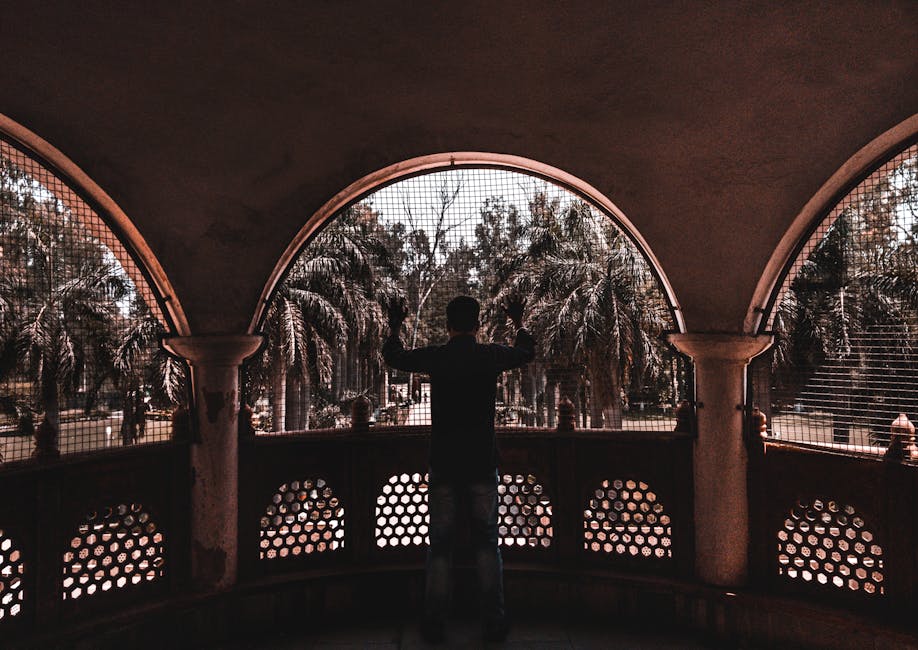
The world is full of potential frames if you know how to look for them. You don’t need to carry a physical wooden frame with you; you just need to identify the shapes and “openings” that already exist in your environment. Whether you are shooting in a dense forest or a bustling city, framing opportunities are everywhere.
When deciding how to frame, consider vertical or horizontal framing tips for bird photography. A vertical frame often emphasizes height and grandeur (like a tall tree), while a horizontal frame emphasizes width and the relationship between the subject and its surroundings.
Common Framing Elements to Look For:
- Natural: Branches, leaves, rock formations, or even the curve of a cave entrance.
- Architectural: Windows, doorways, archways, tunnels, and fences.
- Human-made: Playground equipment, chairs, or the gap between two people standing together.
- Light and Shadow: A bright patch of light surrounded by deep shadows creates a “light frame.”
Mastering Natural and Architectural Framing in Photography
Natural framing is one of the most accessible techniques for any photographer. Overhanging foliage is a classic example—by positioning yourself so that leaves or branches “hug” the top or sides of your frame, you create a sense of being in the nature yourself. It provides a voyeuristic, intimate feel to the image.
Architectural framing, on the other hand, often provides a sense of stability and history. Shooting through a doorway or an archway doesn’t just isolate your subject; it provides a sense of scale and depth. Tunnels and fences are also fantastic for creating “leading lines” that double as frames, pulling the viewer’s eye into the distance toward the subject.
Using Foreground and Negative Space as Frames
Sometimes, the most powerful frame is actually “nothing.” This is where negative space comes in. By surrounding a small subject with a large expanse of clear blue sky or a blank wall, you create a frame of isolation. This emphasizes the subject’s scale and can convey feelings of loneliness, peace, or vastness.
Alternatively, you can use foreground “clutter” to your advantage. Try shooting through tall grass or a cluster of flowers. These elements, when close to the lens, will become a soft, colorful blur that frames your subject. This technique adds a 3D effect to a 2D medium, making the viewer feel like they are peeking through the environment to catch a glimpse of the subject.
Advanced Strategies: Focus, Depth, and Filling the Frame
Once you’ve identified your frame, you have to decide how to handle it technically. The most important decision is your aperture (f-stop). This choice dictates whether your frame is sharp and full of detail or soft and dreamy.
If you want to provide context—say, you’re framing a distant mountain through an ancient window—you might choose a narrow aperture (like f/11) so both the window and the mountain are in focus. If you want to create mood and mystery, use a wide aperture (like f/2.8) to blur the foreground frame into a soft wash of color. This is a key part of our crop and composition editing tips, where we emphasize that how you guide the eye in the field saves you hours of “fixing” in post-processing.
| Technique | When to Use It | Visual Impact |
|---|---|---|
| Filling the Frame | Portraits, Macro, High Detail | Intimacy, intensity, no distractions. |
| Environmental Framing | Landscapes, Street, Storytelling | Context, scale, sense of place. |
The Role of Filling the Frame in Composition
“Filling the frame” is the opposite of using negative space. It’s the “get closer” rule. By zooming in or physically moving toward your subject until they occupy almost the entire rectangle, you remove every possible distraction. This creates an “in-your-face” intensity that is perfect for emotional portraits or capturing the intricate textures of a leaf.
Filling the frame is about intimacy. It tells the viewer, “Look at this and only this.” It’s a bold choice that works best when your subject has enough detail or character to hold the viewer’s attention on its own.
When to Use Central Framing vs. Off-Center Placement
You’ve likely heard of the Rule of Thirds—the idea that you should place your subject on the imaginary grid lines that divide your frame into thirds. It’s a fantastic rule that creates balance and dynamic energy. However, it isn’t the only way.
Central framing (the “bullseye” shot) is often called a mistake, but it can be incredibly powerful in the right context. You should choose central framing when:
- Symmetry is key: Like a reflection in a lake or a perfectly centered architectural shot.
- Using Zoom Bursts: Where the action radiates from the center.
- Strong Shapes: When a circular or square subject demands to be the center of attention.
- Selective Focus: When a very shallow depth of field isolates a single central subject (like a chess piece).
The trick is being intentional. If you place a subject in the center because you didn’t think about it, it’s a snapshot. If you place them there to emphasize perfect symmetry, it’s a composition.
Avoiding Common Pitfalls and Practicing Your Eye
Even seasoned pros can fall into compositional traps. One of the most common is “edge tension”—where a subject or a frame is just barely touching the edge of the photo, creating a distracting visual “itch” for the viewer. Another is clutter; we often get so excited about a frame that we don’t notice the telephone pole growing out of our subject’s head.
According to research on the psychology of artistic decision-making, our brains often take shortcuts. We see what we expect to see rather than what is actually in the frame. This is why “scanning the corners” before you click is so vital. Look for stray branches, bright spots that pull focus away, or “merged” subjects where two separate things look like one blob.
Practical Exercises to Improve Your Compositional Eye
Improving your composition and framing in photography is like training a muscle. You have to do the reps. Here are a few exercises we recommend to our students:
- The Playground Challenge: Go to a local playground. It is a goldmine for framing! Use the slides, the bars, and the tunnels to frame a subject. It forces you to look for unconventional shapes.
- The Intention Sentence: Before you lift the camera, say out loud (or in your head): “This photo is about [Subject] because of [Reason/Emotion].” If the framing doesn’t support that sentence, change it.
- The Ten Versions Exercise: Find one subject and take ten completely different photos of it. Change your height, your angle, your distance, and your framing. By the seventh or eighth shot, you’ll start seeing things you missed at first.
- Scanning Corners: Make it a habit to look at the four corners of your viewfinder before pressing the shutter. If there’s something there that shouldn’t be, move your body to hide it.
Frequently Asked Questions about Composition and Framing
Should the framing elements always be in focus?
Not necessarily. It depends on the story you want to tell. A sharp frame (narrow aperture) provides context and tells the viewer exactly where they are. A blurred frame (wide aperture) creates a sense of depth and a “dreamy” or “voyeuristic” mood. Both are correct; choose based on the emotion you want to convey.
Is central framing always a mistake?
Absolutely not! While the Rule of Thirds is a great default, central framing is perfect for subjects with strong symmetry, minimalist portraits, or when you want to create a sense of formal balance and stillness. The key is to make it look deliberate, not accidental.
How does framing help to create a sense of depth?
Framing creates layers. By placing something in the foreground (the frame), something in the middle (the subject), and something in the background, you are turning a flat 2D image into a 3D-feeling space. This “layering” is what makes a viewer feel like they could walk right into the photograph.
Conclusion
At Ciber Conexão, we believe that the most important tool in your kit isn’t your lens—it’s your eye. Mastering composition and framing in photography is a journey of learning to see the world not as a collection of objects, but as a series of relationships between shapes, light, and space.
As Hugo Andrade often says, your goal is to master the rectangle. Every time you press that shutter button, you are making a series of decisions about what matters and what doesn’t. By being intentional, practicing your “Observation → Decision → Frame” workflow, and not being afraid to break the rules, you will transform your photography from simple documentation into powerful visual storytelling.
Ready to take your skills further? Explore more of our Photography Tips and Tutorials and start seeing the world through a more creative lens today!
