
The Urban Birding Locations List Every Nature Photographer Needs
An urban birding locations list is one of the most useful tools for anyone who wants to photograph birds without leaving the city. Here are some of the top urban birding spots across North America to get you started:
Top Urban Birding Locations at a Glance:
| Location | City | Notable Species |
|---|---|---|
| Central Park (The Ramble) | New York, NY | 270+ species, warblers, hawks |
| Montrose Point Bird Sanctuary | Chicago, IL | 349 species, shorebirds, raptors |
| White Rock Lake | Dallas, TX | Bald Eagles, herons, egrets |
| Stanley Park | Vancouver, BC | 230 species, hummingbirds, woodpeckers |
| Tommy Thompson Park | Toronto, ON | 300+ species, waterfowl, songbirds |
| Zilker Metropolitan Park | Austin, TX | 208 species, warblers, vireos |
| Jamaica Bay Wildlife Refuge | New York, NY | 300+ species, shorebirds, owls |
| Prospect Park | Brooklyn, NY | 292 species, raptors, ducks |
Most people picture birding as a rural activity — hiking remote trails, driving hours into the wilderness. But here’s the surprising truth: roughly 20% of the world’s bird species live in or pass through cities.
New York City alone has recorded over 400 bird species. Chicago’s Lake Michigan shoreline acts as a natural funnel during migration, pushing thousands of birds into a handful of urban parks. Even a city park as small as Manhattan’s Bryant Park can host a surprising variety of migrants on the right morning.
This happens because cities sit along major flyways, the great invisible highways that birds follow during spring and fall migration. When a wave of migrants hits a city and needs to rest, they pile into whatever green space they can find. Birders call this a “fallout” — and in a place like Central Park, it can mean hundreds of colorful warblers in a single tree.
For photographers, this is a golden opportunity. Birds concentrated in small urban parks are often closer and more accessible than anything you’re find deep in the wilderness.

Why Cities are Secret Havens for Migratory Birds
It might seem counterintuitive that a landscape of glass, steel, and asphalt could be a “paradise” for wildlife. However, the very nature of urban development creates unique conditions that benefit birds. We often think of cities as biological deserts, but for a bird traveling thousands of miles along the Atlantic or Pacific Flyway, an urban park is a vital “island” of resources.
The Funneling Effect and Stopover Sites
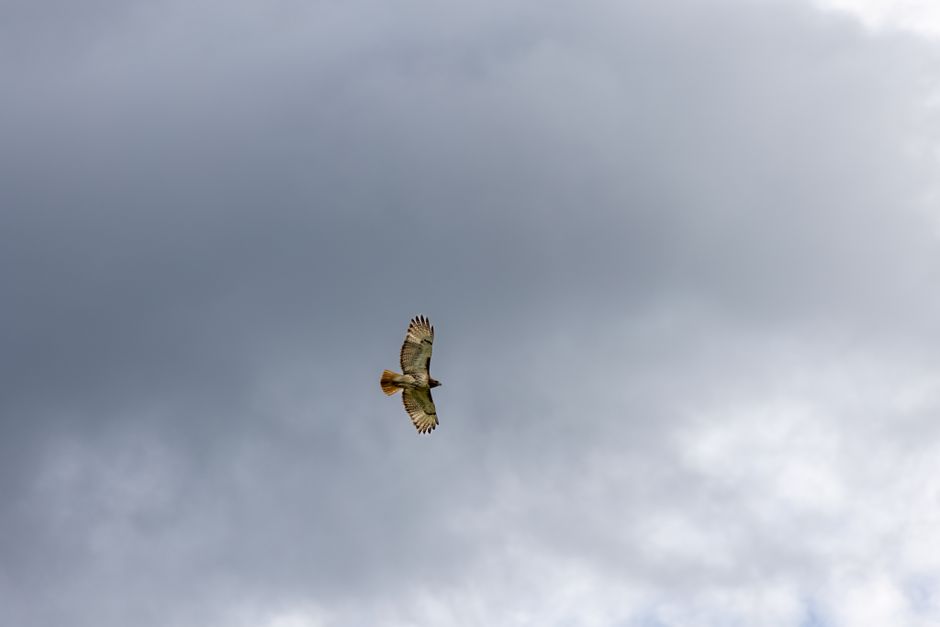
One of the primary reasons cities feature so prominently on any urban birding locations list is the “funneling effect.” Large geographical features, such as coastlines or mountain ranges, guide birds along specific routes. When birds flying over a vast “ocean” of concrete see a patch of green like Central Park or Chicago’s Grant Park, they descend in massive numbers. These areas serve as critical stopover sites where birds can refuel on insects and berries before continuing their grueling journey.
Habitat Diversity and Microclimates
Cities often contain a surprising variety of habitats packed into a small area. Within a single city’s limits, you might find:
- Urban Wetlands: Providing essential water and food for herons and ducks.
- Manicured Gardens: Attracting hummingbirds and butterflies.
- Floodplain Forests: Offering nesting sites for raptors.
- Rooftops: Used by species like Common Nighthawks or even Peregrine Falcons for nesting.
Furthermore, cities are often slightly warmer than the surrounding countryside—a phenomenon known as the urban heat island effect. This creates microclimates that can support insects later into the fall, providing a late-season food source for lingering migrants. For those just starting out, exploring urban nature reserves for beginners is a great way to see this biodiversity firsthand. If you are looking for that perfect shot without the noise of the city, there are many quiet spots for bird photography hidden just behind the skyscrapers.
The Ultimate Urban Birding Locations List for North America
When we look at the premier destinations for city-based birding, a few heavy hitters always rise to the top. These locations are world-renowned not just for the number of species, but for the ease of access they provide to photographers and nature lovers alike.
Comparing the Giants: NYC, Chicago, and Dallas
| Feature | New York City (Central Park) | Chicago (Montrose Point) | Dallas (White Rock Lake) |
|---|---|---|---|
| Total Species | 270+ | 349+ | 200+ |
| Primary Habitat | Woodland, Lake, “The Ramble” | Lakefront, “Magic Hedge” | Freshwater Lake, Wetlands |
| Best For | Warblers, Woodpeckers | Shorebirds, Rare Gulls | Waterfowl, Bald Eagles |
| Vibe | Historic, dense forest feel | Open, coastal, windy | Suburban “wilderness” escape |
As noted in your field guide to the 9 best cities in the United States for urban birding, these cities have invested heavily in their green spaces. In New York, “The Ramble” in Central Park is legendary. It’s a 38-acre woodland designed to look like the Adirondacks, and during May, it is arguably the best place on Earth to see North American warblers at eye level.
In Chicago, Montrose Point Bird Sanctuary features the “Magic Hedge,” a 150-yard stretch of shrubs that has attracted more rare bird sightings than almost any other spot in Illinois. Meanwhile, Dallas offers a different flavor of urban birding. White Rock Lake is what we like to call a “wild escape” within city limits. It’s where you can grab a latte and, five minutes later, be photographing a Bald Eagle or an Osprey diving for fish. To find similar gems near you, check out local parks with high bird activity or explore dedicated urban birdwatching trails.
Top Coastal and Inland Urban Birding Locations List
Beyond the major metros, several specific sites offer world-class birding just a stone’s throw from urban centers.
- Sandy Hook, New Jersey: Located near the NYC metro area, this peninsula boasts sightings of roughly 350 bird species year-round. It’s a premier spot for Piping Plovers in the summer and Snowy Owls in the winter.
- Great Swamp National Wildlife Refuge: Only 26 miles from Times Square, this 12-square-mile refuge in New Jersey is a haven for Wood Ducks and Blue-winged Warblers.
- Oak Leaf Birding Trail, Milwaukee: This trail system includes more than 35 stops within the Milwaukee County Parks. It’s a fantastic example of how urban planning can facilitate birding, introducing residents to species like Bonaparte’s Gulls right in their backyard.
For those who want to stay even closer to the city core, don’t overlook hidden birding spots in downtown areas. You might even find success by looking up; urban rooftops for birdwatching are increasingly popular for spotting nighthawks and swifts.
International Gems: A Canadian Urban Birding Locations List
Our neighbors to the north offer some of the most spectacular urban birding on the continent. Canadian cities are often situated at the intersection of vast wilderness and major migratory routes, making them essential additions to any urban birding locations list.
- Stanley Park, Vancouver: This 1,000-acre park is a crown jewel of the Pacific Flyway. With 230 recorded species, it’s a place where you can see Great Blue Herons nesting in the shadows of high-rises.
- Tommy Thompson Park, Toronto: Built on a man-made peninsula, this park has seen over 300 species. It is a critical stopover for songbirds and saw-whet owls crossing Lake Ontario.
- Inglewood Migratory Bird Sanctuary, Calgary: Located just minutes from downtown, this sanctuary is home to 270 species. It’s a prime spot for spotting Wood Ducks, which local experts consider one of the most beautiful species in the region.
As detailed in The Best Cities for Birding in Canada – Explore Magazine, these locations prove that you don’t need to leave the city to find “lifer” birds. If you’re particularly interested in water-dwelling species, urban wetlands for bird photos in these cities provide unparalleled access.
What to Expect: Species and Seasonal Highlights
Knowing where to go is only half the battle; knowing when to go is what separates a casual observer from a successful bird photographer.
The “Fallout” Phenomenon
During spring and fall migration, weather patterns can cause “fallouts.” This happens when birds flying at night encounter a cold front or rain and are forced to land immediately. In a city, this concentrates thousands of birds into tiny “green islands.” We’ve seen mornings in Manhattan’s Bryant Park where the ground seemed to move because there were so many Ovenbirds and White-throated Sparrows foraging in the flower beds.
Seasonal Breakdown
- Spring (April – May): This is the “main event.” Expect colorful wood-warblers, vireos, and thrushes. The birds are in their brightest breeding plumage, making it the best time for photography.
- Summer (June – August): Focus on resident breeders. Look for herons and egrets in city lakes for bird photography or hummingbirds in top city gardens to photograph birds.
- Fall (August – October): Migration is more spread out. You’ll see “confusing fall warblers” and a massive influx of raptors. Hawk watches in places like Cape May or New York’s Pelham Bay Park are must-visits.
- Winter (November – March): This is the time for waterfowl and “irruptive” species. Look for Snowy Owls on coastal beaches or rare gulls along city piers.
Conservation, Community, and Accessibility in the Concrete Jungle
Urban birding isn’t just about the birds; it’s about the people and the efforts to keep these habitats thriving. Cities are increasingly recognizing that bird-friendly policies are good for residents too.
Lights Out and Bird-Friendly Cities
One of the most successful conservation efforts is the “Lights Out” campaign. Cities like Chicago and New York encourage skyscraper owners to turn off unnecessary lights during migration nights. This prevents birds from becoming disoriented and crashing into glass. Chicago’s program alone saves an estimated 10,000 birds annually.
Many cities are also seeking “Bird City” status, a recognition for communities that actively create habitat and provide public education. Austin, Texas, was recently recognized for its efforts in habitat restoration and community engagement.
The Power of eBird and Citizen Science
Modern birding relies heavily on data. Apps like eBird allow us to see real-time sightings. This data helps conservationists identify which urban parks are most important and need the most protection. For us photographers, it’s a “cheat code” for finding exactly where a rare species is hanging out.
Accessibility is another major perk of urban birding. Many of the best spots are easy-to-access city parks for birds, often reachable by subway or bus. This makes birding inclusive for people of all ages and mobility levels. We are also seeing more bird-friendly neighborhoods in cities where residents plant native species, effectively extending the “trail” into their own backyards.
Frequently Asked Questions about Urban Birding
What is the best time of day for urban birding?
The “early bird” catchphrase exists for a reason! Most birds are most active—and vocal—at dawn. For photographers, the first two hours of light offer the best “golden hour” tones. However, in urban areas, late afternoon can also be productive as birds refuel before their next night of migration.
How do urban birding trails contribute to local conservation?
By linking parks into a formal “trail,” cities can promote ecotourism. When city officials see that thousands of people visit a park specifically to see birds, they are more likely to fund habitat restoration, plant native trees, and protect the area from development.
What gear is essential for birding in a city environment?
While you don’t need a safari suit, a good pair of 8×42 binoculars is essential. For photographers, a lens with at least 400mm of reach is ideal. Because urban birds are often more accustomed to humans, you can sometimes get away with shorter focal lengths than you could in the wild. Don’t forget a bird ID app like Merlin to help you identify what you’re seeing!
Conclusion
Mapping your flight path through the urban jungle reveals that nature is never as far away as it seems. Whether you are walking the boardwalks of Denver’s Belmar Park or searching for warblers in the heart of Toronto, an urban birding locations list is your passport to a world of hidden biodiversity.
At Ciber Conexão, we believe that capturing these moments is just the beginning. Hugo Andrade always emphasizes that great photography happens in the edit. In urban environments, you often deal with “cluttered” backgrounds like fences or signs. Using expert composition techniques and smart crop and edit strategies can transform a busy city shot into a professional-grade wildlife portrait.
We are dedicated to digital photography education, helping you bridge the gap between “taking a picture” and “creating art.” So, grab your gear, head to your local park, and start exploring more birding spots today. The birds are waiting—right in your own backyard.
